

Post One
Author One ·
Placeholder excerpt for post one.
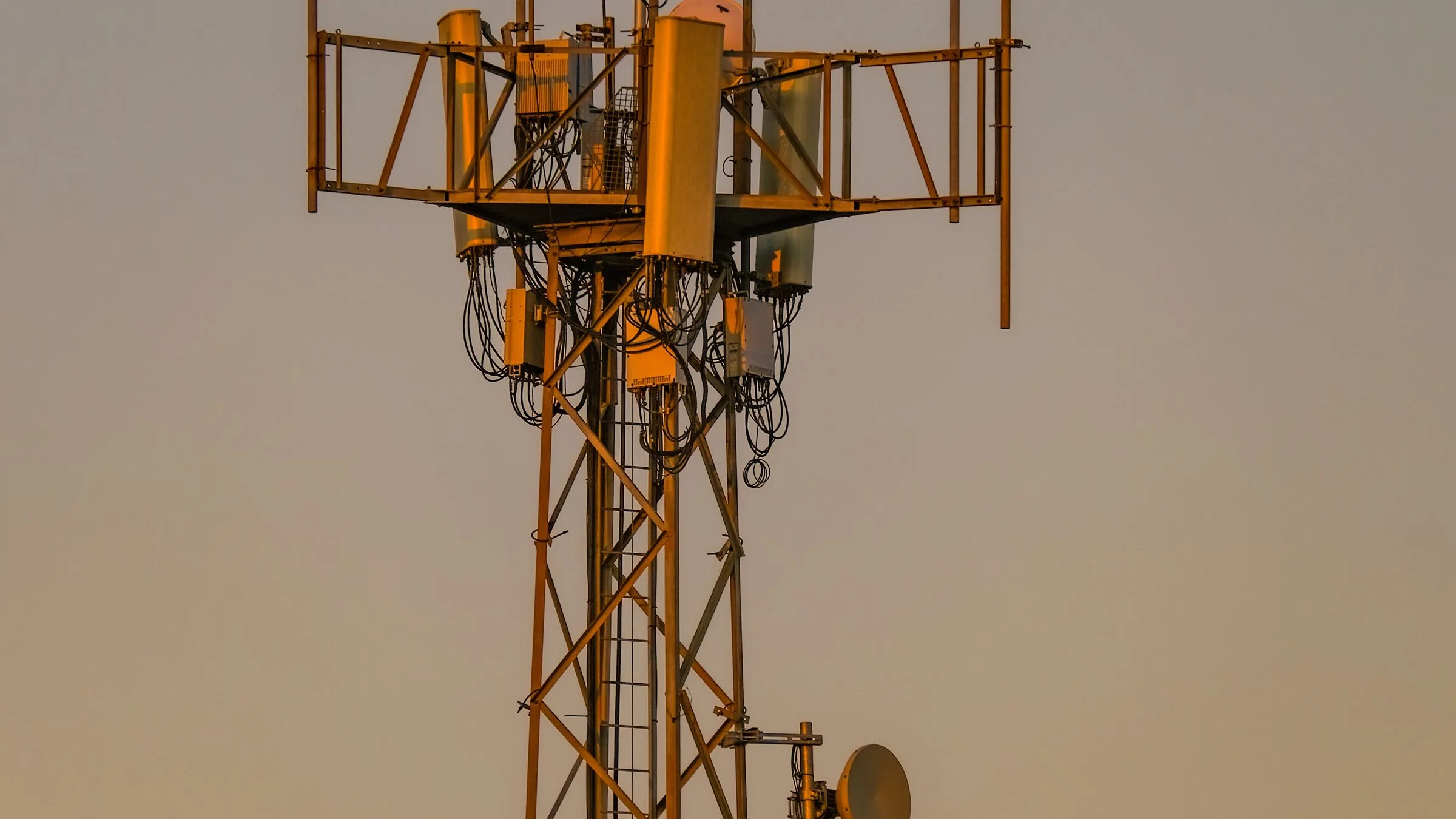
Placeholder content for post one. This opening paragraph stands in for a finished piece of long-form writing about the things Colinas has been building, commissioning and learning along the way. It exists so the article template can be reviewed with believable rhythm: a considered opening, then prose long enough to show how paragraphs feel at reading width before the first photograph interrupts the column.
The second paragraph continues in the same register, replacing the finished writer's argument with placeholder sentences chosen for length and balance. It should read as ordinary editorial prose, one idea per paragraph, closing each thought before the next one arrives rather than burying two ideas in the same passage.
A third paragraph with a fresh angle. Together these three carry enough depth for a generous opening run, which is long in the way real articles are long: the reader meets the subject, gets its context, and settles into the pace of the page before the layout starts branching.
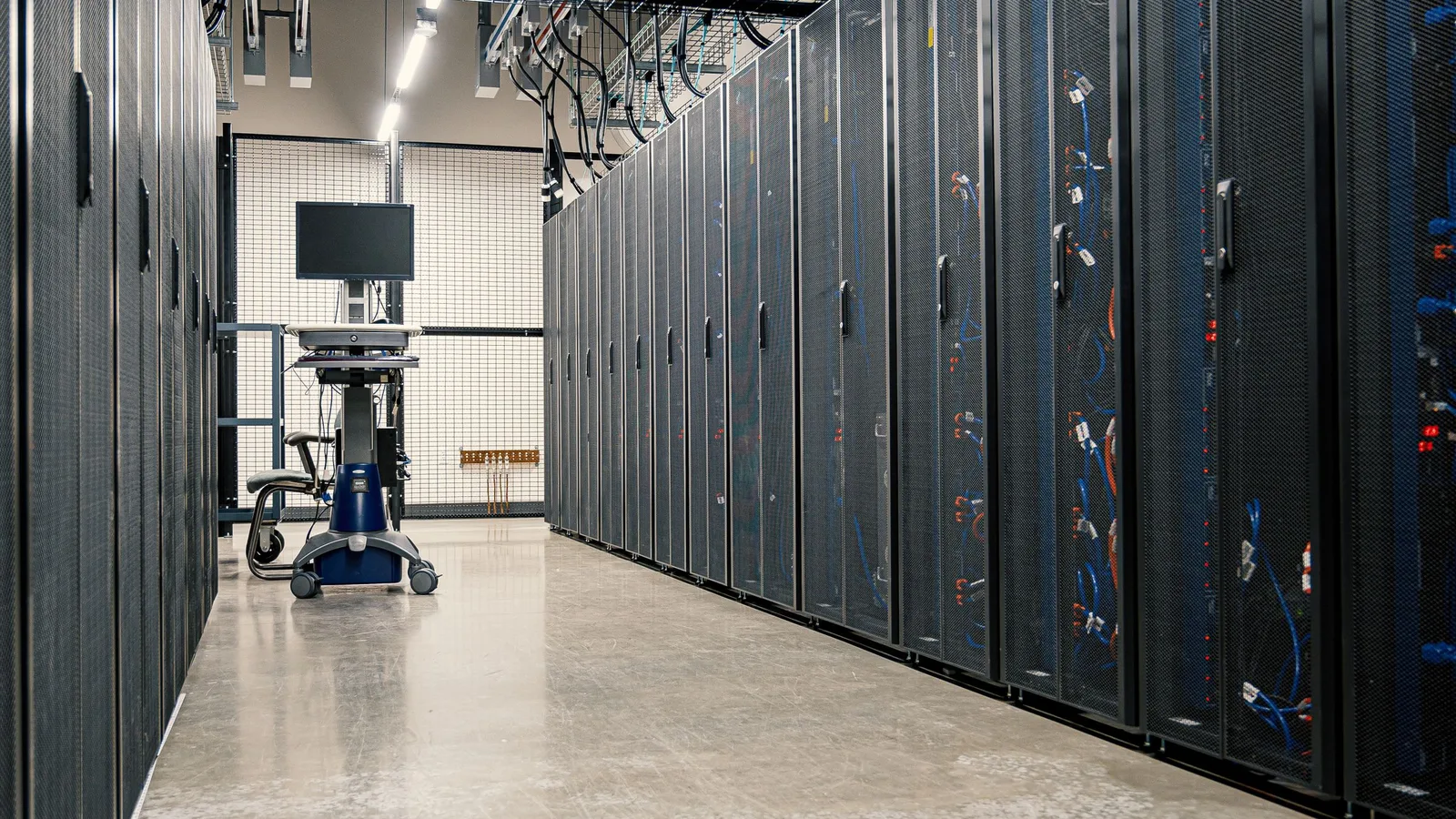
After the first figure the column resumes. This paragraph sits below the photograph it follows, picking the eye back up and returning the reading line to a comfortable width. Any photograph a finished piece would print near this point in the argument is served by this slot.
Further placeholder prose follows the interruption. Photographs in a long editorial piece should sit after complete thoughts; note the layout is timed so the break falls between paragraphs, giving the eye a clean place to leave the column and a clean place to rejoin it.
A placeholder section heading
Section headings mark the turn from one part of the story to the next. Once real articles replace this template, each heading will be checked for the same thing: does it earn a break from the text above it, and does the paragraph beneath it read as the start of something rather than the middle of a thought.
The opening paragraph of the section is deliberately a complete thought. It sets up what follows without depending on the heading above it, which is the test a finished writer would apply.
A placeholder pull quote, sized the way editorial pull quotes are sized: larger than body copy, lighter in weight, separated from the argument by a rule.
Placeholder attribution
Facing the pull quote, the column continues. Pull quotes are pulled, as the name says, from the argument around them; this paragraph stands beside that one, replacing whatever the finished author will undermine or reinforce the pulled material with prose.
A closing thought: the second figure, set wide with its caption opposite the frame, is still to come. Placeholder lives here for now, exactly where a finished author's second spread of photography would live.
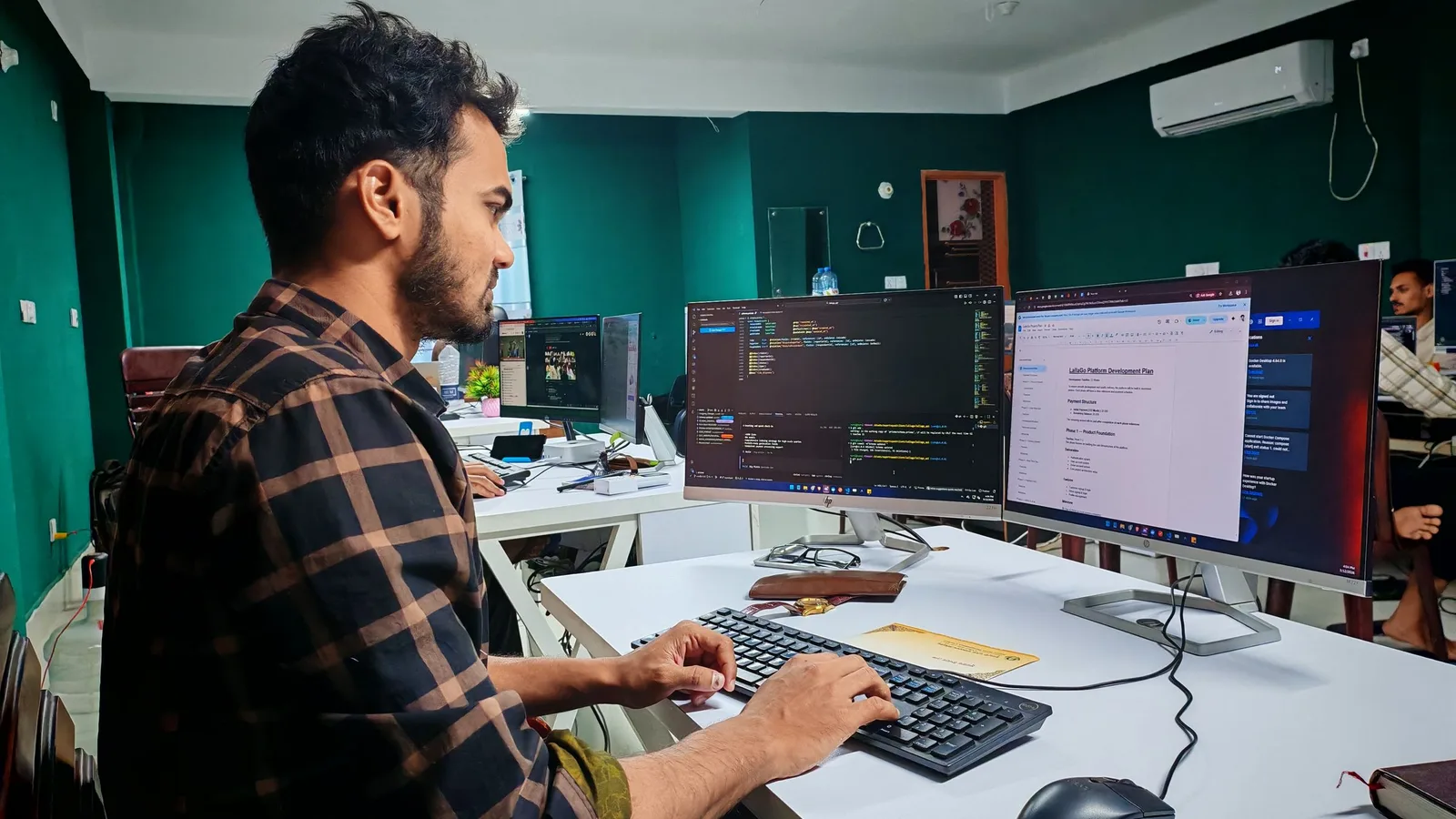
Enough prose follows the final figure to settle the page, bringing the article to a proper stop. There are two placeholder paragraphs after the last photograph, because a story should not end on a hard cut from image to nothing.
The last paragraph. When a finished article replaces this template, its final lines will land here: one paragraph to close the argument, none of it scattered, none of it rushed, whichever sentences the author chooses.